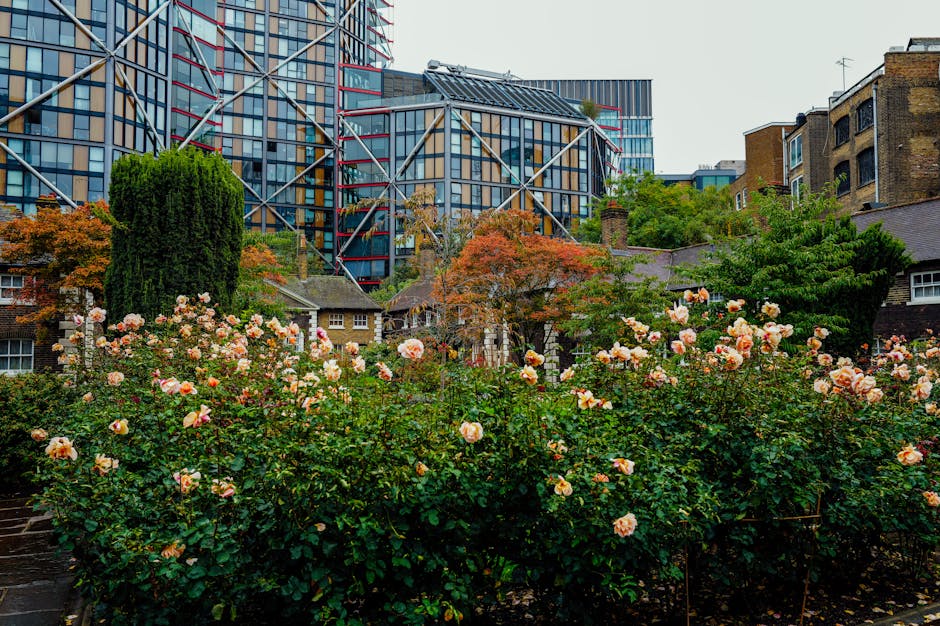
Insider tips gardeners serving East Croydon station area
If you live or work near East Croydon station, you already know the area has its own rhythm: busy pavements, tucked-away gardens, plenty of shade from buildings, and not much patience for guesswork. That is exactly why Insider tips gardeners serving East Croydon station area matter. The right approach saves time, protects plants, and makes small spaces feel properly looked after rather than merely "done".
Whether you are dealing with a compact front garden near the station, a communal courtyard, or a family garden that needs regular upkeep, the details make all the difference. A good local gardener does not just turn up with tools. They read the space, the season, the access, and the practical realities of London living. Sounds simple. In practice, it rarely is.
This guide breaks down what to expect, how local gardeners work, what smart customers ask for, and the common mistakes that quietly cost people money. It also covers service standards, planning tips, and the little local realities that stronger competitors often leave out. If you want to compare options, you can also explore the services overview and the company's pricing and quotes information as a sensible next step.
Table of Contents
- Why Insider tips gardeners serving East Croydon station area Matters
- How Insider tips gardeners serving East Croydon station area Works
- Key Benefits and Practical Advantages
- Who This Is For and When It Makes Sense
- Step-by-Step Guidance
- Expert Tips for Better Results
- Common Mistakes to Avoid
- Tools, Resources and Recommendations
- Law, Compliance, Standards, or Best Practice
- Options, Methods, or Comparison Table
- Case Study or Real-World Example
- Practical Checklist
- Conclusion
- Frequently Asked Questions
Why Insider tips gardeners serving East Croydon station area Matters
East Croydon station is one of those places where convenience and complexity live side by side. There is footfall, traffic, rail noise, changing light levels, and a mix of property types that can make garden care feel oddly technical. A garden can look healthy from the street and still be struggling under the surface. Too much compaction, too little air movement, dry patches near walls, or planting that never really suited the site in the first place.
That is why insider knowledge matters. A gardener who understands the station area is better placed to spot practical issues quickly: when a garden is drying out because of reflected heat, when hedge trimming needs to be timed so neighbours are not annoyed, or when access around narrow side returns means the job will take longer than expected. Little things? Absolutely. But little things are often the whole job.
In our experience, the best local service is usually not the flashiest one. It is the one that asks sensible questions, plans around your property's reality, and leaves you with a garden that feels manageable, not just neat for one afternoon.
Expert summary: if you are choosing gardeners near East Croydon station, prioritise local awareness, clear communication, safe working practices, and realistic scheduling over vague promises of "fast, cheap, and perfect". That combination almost never lasts.
It also helps to work with a team that is transparent about service scope and customer support. Pages like about us and contact us are useful for understanding how a business presents itself before you book. Trust starts there, before the first pruning cut.
How Insider tips gardeners serving East Croydon station area Works
Good gardening service is a process, not a one-off swoop with a mower. Near East Croydon station, that process usually starts with a site assessment. The gardener looks at the size of the plot, access points, sunlight, soil condition, existing planting, and any practical restrictions such as limited parking or shared entrances. To be fair, the garden itself is only half the story. Getting the tools in and out matters too.
From there, the work is typically split into clear tasks. For example:
- regular maintenance such as mowing, edging, and weeding
- seasonal tasks like pruning, leaf clearance, and planting refreshes
- more specialist work such as hedge shaping, border renovation, or small tree care
- waste handling and recycling after the job
The "insider" part is understanding how to sequence the work. A crowded garden near a station entrance may need noise-sensitive timing. A shady rear plot may need different pruning choices than a south-facing terrace. And if a client wants lower maintenance, the gardener should think beyond appearance and recommend planting structure, mulch, and watering strategy. Otherwise you are just chasing the same problems every few weeks.
Many customers are surprised by how much detail goes into a tidy result. But then again, good gardening often looks effortless only after someone has done the hard bit.
Key Benefits and Practical Advantages
When you hire gardeners with real local know-how, the benefits are more practical than glamorous. The garden usually becomes easier to manage, healthier through the seasons, and less likely to spring expensive surprises on you.
| Benefit | What it means in practice | Why it matters near East Croydon station |
|---|---|---|
| Better scheduling | Jobs are planned around access, weather, and property needs | Busy streets and limited parking can affect timing |
| Healthier planting | Plants are chosen and maintained for the actual site | Shaded corners and heat-reflective walls change growing conditions |
| Less waste | Clippings, cuttings, and green waste are handled efficiently | Smaller gardens can still create awkward disposal volumes |
| Improved safety | Tools, ladders, and cuts are handled with care | Shared access and tight spaces raise the risk of trips and damage |
| Clearer budgets | You understand what is included before work starts | Prevents confusion where multiple small jobs can add up |
Another practical benefit is consistency. A one-off tidy can make a garden look briefly transformed, but regular care is what stops the place sliding back into that "I'll sort it next weekend" state. And let's face it, next weekend often never arrives.
For many households, the real win is time. A well-managed garden near the station area gives you more usable space without turning every Saturday into a second job.
Who This Is For and When It Makes Sense
This kind of service is useful for more people than you might think. It is not just for large family gardens or obvious "project" spaces. In fact, the station-area setting often means smaller plots need the most intelligent care.
- Busy commuters who want reliable upkeep without having to supervise every visit
- Landlords and letting agents who need outdoor areas to stay presentable between tenancies
- Homeowners who know the garden has potential but no longer want to fight it every month
- Older residents who prefer safe, manageable maintenance rather than heavy physical work
- Small businesses or offices with entrance planting, courtyards, or frontage that shapes first impressions
It also makes sense when your garden has a specific issue that keeps coming back. Maybe the hedge is too high, the lawn is thinning, or border weeds are winning the long game. Could you do it yourself? Of course. Should you, every time, with limited daylight and no spare energy? That is a different question.
If you are unsure whether to book a gardener now or later, ask yourself one thing: is the space getting easier to maintain, or harder? If it is the second one, waiting usually makes the eventual job more expensive and more disruptive.
Step-by-Step Guidance
Here is a straightforward way to approach hiring and working with gardeners serving the East Croydon station area.
- Define the outcome. Decide whether you need a one-off tidy, regular maintenance, planting help, or a larger garden reset.
- Take a quick inventory. Note the main problems: overgrown hedge, patchy lawn, weeds, poor drainage, awkward access, or seasonal clutter.
- Share honest photos and details. A few clear images save time and avoid vague quoting. Mention access, parking, and any time restrictions.
- Ask what is included. Clarify labour, waste removal, materials, planting, and whether follow-up visits are recommended.
- Check service standards. Look at practical policies such as health and safety guidance and insurance and safety.
- Agree on timing. Good gardeners work around weather and seasonal conditions. Spring, late summer, and autumn can all change the plan.
- Review the first visit properly. Look at the result after a day or two, not just immediately. A tidy finish should also feel balanced and sustainable.
- Set a maintenance rhythm. Decide whether the garden needs weekly, fortnightly, monthly, or seasonal visits. Be realistic, not aspirational.
That last step matters more than people think. A garden that gets slightly less attention than it needs tends to become oddly expensive. Not dramatic, just persistent. Like background noise.
Expert Tips for Better Results
Here are the small, practical moves that make a surprisingly big difference.
1. Plan around the light, not just the calendar
Near the station area, trees, buildings, and fencing can create patchy light. That means two gardens on the same street may need different routines. If you have a shaded bed, do not force sun-loving plants into it and hope for the best.
2. Keep pruning disciplined
Heavy pruning done at the wrong time can stress plants, especially if they are already coping with dry spells or cramped roots. A better approach is gradual shaping, with a clear reason for every cut. A gardener should be able to explain why they are trimming something, not just that it "needed a tidy".
3. Use mulch where possible
Mulch helps reduce evaporation, suppress weeds, and improve soil feel over time. In small urban gardens, it can also make borders look finished rather than bare and forgetful. A neat mulch layer is one of those quiet upgrades you notice every time you step outside.
4. Don't ignore borders and edges
Everyone notices the lawn first. But the edges, paths, and bed lines are what make a garden feel cared for. If the edges are sloppy, the whole place looks less settled. It is slightly unfair, but true.
5. Ask for a waste plan before the work starts
Green waste builds up faster than people expect, especially after hedge work or a seasonal clear. If recycling and disposal are part of the service, confirm how they are handled. A provider with a clear recycling and sustainability approach is usually thinking beyond the job in front of them.
6. Build maintenance into the quote
If you only compare the first visit cost, you may miss the real picture. The more useful question is: what happens after that? Do you need a follow-up, and if so, how often? That is where most gardens either stay on track or drift back.
Common Mistakes to Avoid
A lot of garden headaches are preventable. Honestly, a few are almost predictable.
- Choosing purely on price. Cheap can become expensive if the work is rushed, incomplete, or repeated too soon.
- Not being clear about scope. "Tidy the garden" can mean ten different things to ten different people.
- Ignoring access issues. If a gardener cannot park nearby or has to carry everything through a tight passage, the job needs planning.
- Letting seasonal jobs pile up. Waiting too long on pruning or leaf clearance often turns a manageable task into a slog.
- Using the wrong plants for the site. A sunny patio and a shaded courtyard are not interchangeable, despite what plant labels sometimes suggest.
- Skipping safety checks. Good practice matters, especially for ladders, tools, and waste handling.
One especially common mistake is expecting a single visit to solve a garden that has been neglected for years. Sometimes it can, but not always. The smarter move is to ask for a staged plan. Less dramatic. More effective.
Tools, Resources and Recommendations
You do not need a shed full of specialist equipment to manage a small urban garden well, but the right tools help. For everyday upkeep, a decent set of shears, a sharp secateur, gloves, a rake, and a lightweight mower can cover a lot of ground. For more involved work, professional-grade hedge cutters, pruning tools, and waste handling equipment make the job safer and neater.
From a customer perspective, the most useful "resource" is good information. Look for service pages that explain what is covered and how the business works. The services overview can help you understand whether you need routine maintenance, a one-off tidy-up, or something more involved.
It is also worth checking practical pages before booking, especially if you value transparency. For example, payment and security matters if you want to know how transactions are handled, while terms and conditions can clarify expectations around bookings, cancellations, and service scope. Not glamorous reading, no. Useful, though.
If you are comparing providers, a sensible shortlist usually includes businesses that explain:
- what they do and do not include
- how they price work
- how they handle waste
- how they manage safety and property care
- how you can raise concerns if needed
That last point is often overlooked until something goes wrong, which is a shame because a straightforward complaints procedure is actually a sign of maturity, not a red flag.
Law, Compliance, Standards, or Best Practice
Garden maintenance is not the most heavily regulated service in the world, but it still needs sensible standards. In the UK, customers should expect contractors to work carefully, respect property boundaries, and handle waste responsibly. Where tools, ladders, machinery, or access issues are involved, safe working methods matter. That is less about paperwork and more about not making a bad day worse.
For a homeowner or landlord, the practical compliance questions are usually simple:
- Is the business clear about insurance?
- Do they follow basic health and safety practice?
- Do they respect access, neighbours, and shared areas?
- Are they transparent about what happens to garden waste?
- Do their terms set out responsibilities clearly?
It is also worth checking how a company handles privacy and website use if you are submitting enquiries online. Pages such as privacy policy and cookie policy help show whether the business treats customer information responsibly.
For some customers, accessibility matters too. If you or someone in your household needs extra clarity around how a service is arranged or how information is presented, the accessibility statement is worth a look. Small detail, big reassurance.
Options, Methods, or Comparison Table
Different gardens near East Croydon station need different levels of care. Here is a simple comparison that helps with decision-making.
| Approach | Best for | Pros | Watch-outs |
|---|---|---|---|
| One-off tidy | Overgrown spaces, move-in/move-out jobs, seasonal reset | Fast visual improvement, easier to budget once | Can slide back quickly without follow-up care |
| Regular maintenance | Busy households, rental gardens, small urban plots | Keeps things under control, reduces surprise workload | Needs consistency and clear scheduling |
| Seasonal visits | Gardens that mostly cope on their own but need expert support | Cost-effective, good for pruning and planting changes | Not ideal for high-growth or high-use spaces |
| Project-based work | Border redesigns, lawn recovery, planting refreshes | Creates long-term improvement | Usually needs a bigger initial commitment |
Which is best? It depends on your space, your patience, and how often you want to think about it. Some people genuinely enjoy gardening. Others just want the rose bush to stop attacking the fence. Both are valid.
Case Study or Real-World Example
Here is a realistic example based on the kind of job that comes up around East Croydon station. A client had a compact rear garden behind a terrace property with a narrow side access, a patchy lawn, and borders that had become a mix of self-seeded weeds and surviving shrubs. Nothing disastrous, just neglected enough to feel slightly tiring every time they looked out the back door.
The sensible first step was not a full redesign. It was a clean-up and a plan. The gardener removed the worst weeds, reshaped the edges, cut back overgrowth, and worked out which shrubs were worth keeping. The lawn was not replaced immediately. Instead, the team improved its condition over time and recommended a lighter maintenance schedule that fitted the client's commute.
The important part was that the garden became easier to live with. Not perfect. Better. And in a busy area, better often beats perfect by a mile.
What made the difference was communication: clear scope, realistic timing, and a simple follow-up plan. That is the sort of thing that keeps people loyal to a gardener. Not just the first tidy, but the sense that someone actually understood the space.
Practical Checklist
Use this quick checklist before booking gardeners in the East Croydon station area.
- Have I defined whether I need a one-off, regular, or seasonal service?
- Have I taken photos of the garden from a few angles?
- Have I noted access issues, parking limits, or shared entrances?
- Do I know what the quote includes and excludes?
- Have I checked how waste will be removed or recycled?
- Do I understand the likely maintenance rhythm after the first visit?
- Have I looked at safety, insurance, and payment information?
- Do I know who to contact if I need to ask a follow-up question?
- Have I thought about the long-term goal, not just today's tidy-up?
If you can tick most of those boxes, you are already ahead of many customers. That sounds obvious, but it really does save headaches.
Conclusion
The real value of Insider tips gardeners serving East Croydon station area is not just better-looking borders or a tidier lawn. It is having a garden that fits the way you actually live. Near a station, time is tight, access can be awkward, and outdoor spaces need to earn their keep. A thoughtful local gardener understands that.
Focus on clarity, not assumptions. Ask what is included. Check how safety, insurance, waste, and payments are handled. Choose a service that treats your garden like a living space, not a quick job to be rushed through before the next booking. Simple enough, but not always easy to find.
If you take one thing away, let it be this: the best results come from matching the right maintenance plan to the real conditions of the site. Do that, and the garden starts working with you instead of against you. That feels good, every single time.
Get a free quote today and see how much you can save.
When you are ready, a calm conversation and a clear plan are usually all it takes to get things moving in the right direction.
Frequently Asked Questions
What do gardeners serving the East Croydon station area usually help with?
They commonly handle routine maintenance, hedge trimming, weeding, planting, lawn care, seasonal tidy-ups, and small garden improvements. In a busy local area, the best fit is often a service that can manage access and scheduling efficiently as well as the gardening itself.
How often should a garden near East Croydon station be maintained?
It depends on the size, planting, and how much use the space gets. Some gardens need weekly attention, while others do fine with fortnightly or monthly visits. If growth is fast or the space gets a lot of foot traffic, more regular care is usually the safer choice.
Is a one-off tidy enough for an overgrown garden?
Sometimes, yes, especially if the job is mainly about cutting back and restoring order. But if the garden has been left for a long time, a staged plan may be better. That way the work is manageable and the result lasts longer.
What should I ask before booking a gardener?
Ask what is included, how waste is handled, whether the gardener is insured, what the timing will be, and whether follow-up visits are recommended. If you are comparing options, ask for a clear breakdown rather than a vague "all-in" promise.
Do gardeners near East Croydon need special access arrangements?
Often, yes. Nearby parking, side access width, shared entrances, and permit restrictions can all affect the job. It is best to mention these details early so the quote and schedule reflect the real conditions.
How do I know if a gardener is reputable?
Look for clear information about services, safety, insurance, payment, and customer support. A business that explains its processes clearly is usually easier to trust than one that keeps things hazy.
What is the best time of year to book garden work?
Spring and autumn are common times for planting, pruning, and tidy-up work, but the right timing depends on the task. Lawn recovery, hedge work, and border refreshes each have their own seasonal rhythm. A good gardener should guide you on that.
Can gardeners help reduce garden maintenance in the long term?
Yes. A smart gardener will suggest lower-maintenance planting, mulch, better spacing, and a practical care schedule. That is often the difference between a garden that stays manageable and one that constantly needs catching up.
Should I choose the cheapest quote?
Not necessarily. Price matters, of course, but scope, reliability, safety, and waste handling matter too. A quote that looks low at first can end up costing more if important details were left out.
What if I have concerns after the work is done?
You should be able to raise them through the company's customer process. A clear complaints procedure is useful because it gives you a proper route to resolve issues if something was missed or misunderstood.
Do I need to prepare the garden before the gardener arrives?
It helps to clear away fragile items, unlock access, and point out anything that needs special attention. If you have pots, furniture, or pets in the way, a little preparation makes the visit smoother. No need to stage the garden like a photo shoot, though.
How do I get started if I am still unsure?
Start by reviewing the service options and making a short list of your priorities. If you want to talk it through, the most direct next step is to reach out through the company's contact page and explain what kind of garden help you need.