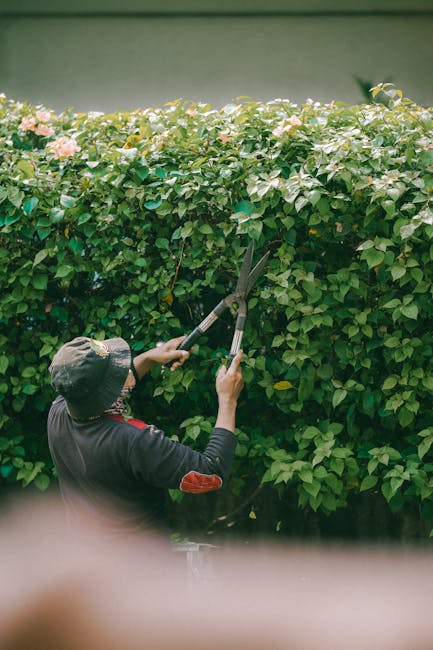
Same day gardeners in Croydon for urgent clearance: fast help when the garden cannot wait
When a garden suddenly needs clearing, you rarely have the luxury of waiting a week or two. It might be an overgrown front drive before a property viewing, storm debris after a windy night, or a back garden that has become too messy to use safely. In those moments, same day gardeners in Croydon for urgent clearance can make a huge difference. You get practical help quickly, the site becomes safer and easier to manage, and the whole situation feels less overwhelming by the end of the day.
This guide explains what urgent garden clearance involves, how it works, what to expect, and how to choose the right approach without rushing into a poor decision. If you need broader help beyond clearance, it can also be useful to look at the full services overview or review garden clearance support for related work that may follow on from the initial tidy-up.
Truth be told, urgent clearance is about more than appearance. It is about reclaiming access, reducing risk, and getting the garden back to a workable state. And yes, sometimes that means dealing with a surprising amount of bramble, broken fencing, or that one patch of grass that has somehow become a jungle. We have all seen it.
Table of Contents
- Why same day urgent clearance matters
- How same day clearance works
- Key benefits and practical advantages
- Who this is for and when it makes sense
- Step-by-step guidance
- Expert tips for better results
- Common mistakes to avoid
- Tools, resources and recommendations
- Law, compliance, standards, or best practice
- Options, methods, or comparison table
- Case study or real-world example
- Practical checklist
- Conclusion
- Frequently asked questions
Why Same day gardeners in Croydon for urgent clearance Matters
Urgent clearance matters because delays tend to make garden problems worse. A pile of cuttings starts to rot, wet leaves become slippery, and an overgrown path can turn awkward or even unsafe. If you have pets, children, tenants, visitors, or tradespeople coming through, the pressure rises quickly. The garden stops being a pleasant outdoor space and starts behaving like a job that keeps tapping you on the shoulder.
In Croydon, where homes range from compact terraces to larger family gardens, urgent clearance often needs a practical, local response. Not every job is a complete overhaul. Sometimes it is simply a fast intervention so access is restored and the property looks cared for again. That can be enough to calm a stressful situation before it spreads into something bigger.
There is also a trust factor. When you ask for same-day support, you are relying on someone to assess the scale of the work quickly, work safely, and leave the space in a condition that makes sense for the next step. A good urgent clearance service should feel calm, organised, and straightforward. No drama. No mystery. Just action.
Expert summary: same-day clearance is most valuable when time, safety, or presentation matters more than waiting for a perfect long-term plan. It is a fast reset, not just a tidy-up.
How Same day gardeners in Croydon for urgent clearance Works
The process is usually simpler than people expect. You explain the problem, share what the garden looks like, and outline any time pressure. A sensible team will then work out whether same-day attendance is realistic, what tools or vehicle space may be needed, and whether any parts of the job involve extra care, such as heavy waste, brash, sharp objects, or access constraints.
In practice, same-day clearance often moves through five stages:
- Initial contact: you describe the issue, the size of the garden, and your deadline.
- Fast assessment: the team estimates how much can be cleared safely in the time available.
- Arrival and walk-through: work begins with a quick check of hazards, access, and priorities.
- Clearance and collection: waste is cut back, removed, stacked, loaded, or bagged as required.
- Final tidy: the area is left safer, cleaner, and easier to follow up later.
That sounds simple, and most of the time it is. But the speed only works if expectations are clear. A same-day job might prioritise the most urgent parts of the garden rather than completing every possible task. For example, a team may remove bulky waste and cut back access routes first, then return later for finer finishing work like edging or deeper pruning.
If the clearance is part of a wider property refresh, it can help to coordinate it with garden maintenance so the garden does not drift straight back into an overgrown state. That is often the smart route, to be fair.
Key Benefits and Practical Advantages
The biggest benefit is speed, but the real value goes deeper than that. Same-day clearance reduces stress, restores access, and helps you make decisions with a clear head. You are no longer staring at the mess thinking, "I will deal with that tomorrow." Tomorrow has a way of becoming next month. Annoyingly so.
- Fast relief: urgent overgrowth, clutter, or storm debris is dealt with quickly.
- Safer access: walkways, side returns, gates, and paths become easier to use.
- Better presentation: useful for sales, lettings, landlord checks, or guest visits.
- Less disruption: a same-day visit can stop the problem from taking over your week.
- Clear next steps: once the garden is visible again, you can plan repairs, pruning, or landscaping properly.
There is another advantage people overlook: urgency can force clarity. When the job is time-sensitive, the priority list becomes obvious. What must be removed now? What can wait? What is actually the source of the problem? That sharper thinking often saves time and money later.
For larger or more complex outdoor spaces, urgent clearance may flow naturally into other services such as hedge trimming, lawn mowing, or even broader landscaping support if the garden needs more than a one-off reset.
Who This Is For and When It Makes Sense
Same-day garden clearance is not just for emergencies in the dramatic sense. It suits a fairly wide range of situations, and some are more common than you might think. If you are standing in the garden with a cup of tea and wondering how it got this bad, you are probably in the right category.
This service makes sense for:
- homeowners preparing for a sale or valuation
- landlords needing a fast turnaround between tenancies
- tenants who must return a garden in reasonable condition
- families dealing with sudden overgrowth after a busy season
- properties affected by storm debris or fallen branches
- people who need access restored before work on fencing, patios, or decking
- anyone who has delayed a garden job and now needs it handled quickly
It can also be useful after a longer period without maintenance, especially where brambles, ivy, or self-seeded growth have taken hold. In those cases, urgent clearance is often the first sensible step before any tidying, planting, or design work can begin.
If the problem is mainly a build-up of green waste after routine care has slipped, you may eventually want ongoing support through regular garden maintenance. That is often less stressful than repeatedly scrambling for last-minute help.
Step-by-Step Guidance
If you want the process to run smoothly, a little preparation goes a long way. You do not need to do the gardener's job for them. Just make the visit easier to assess and safer to complete.
- List the urgent issues. Focus on what needs removing or cutting back first. Is it waste, overgrowth, broken branches, or access problems?
- Send clear photos if possible. A few wide shots and one or two close-ups can help a team judge the scale before arrival.
- Share access details. Mention side gates, locked entries, narrow paths, parking limitations, or anything awkward.
- Say what matters most. For example, "clear the front path first" or "make the back garden usable before this evening."
- Ask what will be removed. Clarify whether waste will be bagged, loaded, stacked, or left for collection.
- Check likely exclusions. Heavy tree work, major landscaping, or structural repairs may need a separate visit.
- Confirm the end point. A same-day job should end with a clear understanding of what has been completed and what remains.
One small but useful habit: walk the space yourself before the team arrives and pick up anything personal, fragile, or important. Pot plant labels, kids' toys, hose pipes, the random garden gnome nobody admits owning - move them out of the way. It saves time and prevents confusion.
If the urgent clearance includes woody growth or unsafe branches, a follow-up discussion about tree lopping and removal may be sensible. Not every branch problem is a whole-tree problem, but some are. The distinction matters.
Expert Tips for Better Results
In our experience, the best urgent clearance jobs are the ones where the customer gives a bit of context instead of just saying "the garden's a mess." That phrase is honest, yes, but context helps a lot. A garden behind a rental property, a house going on the market, and a storm-hit front drive all need slightly different priorities.
Here are a few practical tips that usually improve results:
- Prioritise access first. Getting to the front door, bins, back gate, or shed matters more than perfect symmetry.
- Be realistic about same-day scope. Fast work is focused work. It may not include every decorative touch.
- Ask for a phased approach. Clear now, refine later. That is often the smoothest route.
- Look for obvious hazards. Broken glass, exposed nails, slippery algae, wasp activity, or unstable branches should be mentioned early.
- Keep communication short and direct. When time matters, simple instructions beat long explanations.
A useful rule of thumb: if you are unsure whether something should be removed, point it out. A quick answer on site is better than assuming. Nobody wants to stand around guessing, especially when daylight is fading and everyone is trying to finish before the school run or evening traffic.
For jobs that involve heavier materials or more complex outdoor surfaces, it can help to understand whether the work belongs more naturally with landscape gardening or with a maintenance-led clearance. The wrong category can make the job feel muddled, and muddled jobs are where delays creep in.
Common Mistakes to Avoid
Urgent work invites rushed decisions, and that is where mistakes creep in. Some are small. Some become expensive. The good news? Most are avoidable.
- Waiting too long to ask for help. A two-day delay can turn a straightforward tidy into a bigger clearance.
- Assuming every job is the same. A light cut-back is not the same as removing years of unmanaged growth.
- Forgetting access issues. Narrow alleys, steep steps, or parking restrictions can affect how quickly work can be done.
- Not confirming waste handling. Always understand what happens to green waste and bulky material.
- Trying to make the service do everything. Some gardens need separate follow-up for repairs, design, or ongoing upkeep.
Another common error is focusing only on price. Of course budget matters. But with urgent clearance, reliability, safety, and clarity often matter more than squeezing the cheapest quote out of the situation. A cheap rush job that leaves half the problem behind is not really cheap, is it?
If the space needs to be handled in a way that aligns with future use and visual appeal, you may eventually need a broader plan that includes garden design or layout improvements. Clearance is the reset. Not always the finish line.
Tools, Resources and Recommendations
A good urgent clearance team usually brings a mixed set of hand tools and practical waste-handling equipment, chosen for speed and safety rather than show. The exact kit depends on the job, but the principle stays the same: use the right tool for the right task, and do not make a simple job harder than it needs to be.
Common tools and support items may include:
- loppers and secateurs for cutting back smaller growth
- hedge cutters for defined overgrowth
- spades, forks, and rakes for clearing loose material
- heavy-duty sacks or collection containers for waste
- protective gloves, eye protection, and sturdy footwear
- tarps or sheets for gathering cut material efficiently
From a homeowner's point of view, your own most useful resources are simpler: good photos, a rough list of priorities, and a clear understanding of what you want the end result to look like. That sounds basic, but it saves time. A lot of time.
If you want to compare how quick clearance fits into longer-term care, it can be helpful to review service options alongside the practicalities of scheduling and budget. For cost planning, see pricing and quotes so you know what kind of information is useful when asking for a fast response.
Law, Compliance, Standards, or Best Practice
With urgent garden work, compliance is mostly about safety, waste handling, and being careful around protected or sensitive features. You do not need to become a legal expert to ask sensible questions, but a bit of awareness helps. For example, waste should be handled responsibly, sharp tools should be used by people who know what they are doing, and work near trees, walls, fences, or structures should be approached with caution.
In the UK, best practice generally means:
- working safely around tools, slopes, steps, and slippery ground
- checking for hazards before starting
- avoiding damage to neighbouring boundaries and shared access areas
- disposing of green waste in a lawful and responsible way
- being careful with trees, nesting birds, wildlife, and any signs of protected habitats
That last point is worth mentioning. Not every overgrown tree or hedge can simply be hacked back without thought. Timing, species, nesting activity, and the condition of the plant all matter. If a clearance job moves from tidy-up into heavier woody work, a careful assessment is the right next move.
It is also sensible to ask whether the provider has clear policies around safety and insurance. You can look at insurance and safety information and, for a broader view, health and safety policy details. Those pages do not replace a conversation, but they do help you feel more comfortable before work starts.
Practical note: if a site contains hidden hazards, unstable growth, or difficult access, a same-day visit may still be possible, but it may need to be limited to safe priorities only.
Options, Methods, or Comparison Table
Not every urgent job needs the same kind of response. Sometimes a full clearance is right. Sometimes a lighter cut-back is enough to get through the immediate issue. The table below shows the difference in plain English.
| Option | Best for | Typical pace | What you get |
|---|---|---|---|
| Light same-day tidy | Minor overgrowth, leaf fall, small access issues | Very fast | Paths opened, visible surfaces restored, basic order |
| Urgent clearance | Messy, overgrown, or blocked gardens needing immediate attention | Fast, focused | Bulk removal, cut-back, safer access, clear finish point |
| Clearance plus maintenance | Gardens that keep slipping back into disorder | Fast start, then ongoing | Immediate reset plus longer-term upkeep |
| Clearance plus landscaping | Spaces that need redesign after years of neglect | Slower overall | A more permanent improvement to layout and usability |
In simple terms, choose the lightest option that actually solves the problem. That is usually the most efficient route. If you go too big too soon, you can end up paying for work that was not needed that day. If you go too small, the same issue returns by the weekend. Somewhere in the middle is often the sweet spot.
For planned follow-up work, a return visit for lawn care or hedge maintenance can turn a one-off rescue into a garden that stays manageable. That is usually the real win.
Case Study or Real-World Example
Here is a realistic example. A Croydon homeowner has a back garden that has been left for several weeks after a busy period and a couple of wet weekends. The lawn is patchy and long, the border growth has spilled into the path, and there are several bags of old cuttings, broken canes, and stray bits of debris near the shed. A viewing is booked the following afternoon, so the garden does not need to become perfect. It just needs to look clear, accessible, and cared for.
The sensible response is a same-day clearance focused on priorities: open the path, remove waste, cut back the most untidy growth, and make the main areas look presentable. The team would not spend precious time on detail work that the visitor will barely notice. Instead, they would aim to restore structure. After that, the homeowner can decide whether to book longer-term improvements, perhaps including follow-up maintenance support or more considered landscaping work.
The key lesson is simple. For urgent jobs, "good enough, safely done" is often the right goal. Not perfect. Just properly sorted for now. And sometimes that is exactly what you need to breathe again.
Practical Checklist
Use this quick checklist before the team arrives or before you request a same-day visit:
- Take clear photos of the garden from a few angles
- Identify what must be cleared first
- List any hazards such as glass, unstable branches, or slippery surfaces
- Check gate widths, parking, and access routes
- Remove personal items, tools, and fragile objects
- Decide whether the job is clearance only or clearance plus maintenance
- Ask how the waste will be handled
- Confirm the expected finish point for the day
- Keep a follow-up note for anything that still needs attention
Quick takeaway: the better you define the problem at the start, the better a same-day response can work. A little clarity saves a surprising amount of back-and-forth.
Conclusion
Same-day garden clearance is about restoring control quickly. Whether you are facing overgrowth, storm mess, blocked access, or a last-minute property deadline, the value lies in speed, safety, and a clean practical reset. The best results come from clear communication, realistic expectations, and a team that understands how to prioritise the important bits first.
If your garden feels like one more thing too many, start with the immediate problem. Get the access back. Remove the clutter. Make the space workable again. Then plan the longer-term improvements once the pressure has eased. That order matters more than people think.
Get a free quote today and see how much you can save.
And if the garden is still looking rough by the end of the day, that is okay. A proper start is still a proper start.
Frequently Asked Questions
What do same day gardeners in Croydon for urgent clearance usually do?
They typically remove overgrowth, cut back access routes, clear green waste, and tidy the garden so it is safer and easier to use. The exact work depends on the size of the job and how urgent it is.
Can urgent garden clearance be done in one visit?
Often, yes, if the job is straightforward and the access is reasonable. Larger or more complicated gardens may need a phased approach, especially if there is heavy waste or awkward access.
How fast can a same-day garden clearance start?
That depends on availability, location, and the scale of the job. Some requests can be handled very quickly, while others need a short planning window so the right equipment and time can be arranged.
Is same-day clearance the same as regular garden maintenance?
No. Clearance is usually a fast response to an immediate mess, blockage, or overgrowth problem. Maintenance is ongoing care that helps prevent the garden from getting out of hand again.
What if my garden has a lot of waste or very long growth?
That is still possible to deal with, but it may need more time, more labour, or a follow-up visit. In some cases, the first visit focuses on access and safety, then the rest is handled afterwards.
Do I need to be at home during the clearance?
Usually it is best if someone is available at the start to explain priorities and access details. After that, arrangements depend on the provider and the nature of the job.
Should I choose clearance, hedge trimming, or lawn mowing first?
If the garden is heavily overgrown, clearance usually comes first because it restores order and access. Once the space is under control, hedge trimming or lawn mowing may make more sense as the next step.
What should I tell the gardener before they arrive?
Give a clear description of the problem, any access issues, and the main outcome you want. Photos are helpful too. A short, honest explanation usually works better than trying to sound perfectly technical.
How do I know whether the job needs tree work as well?
If branches are unstable, blocking access, or clearly part of a larger woody overgrowth issue, it may be sensible to discuss tree lopping and removal. A proper assessment is better than guessing.
Will urgent clearance include waste removal?
It often does, but you should always confirm this before work begins. Knowing whether waste will be bagged, loaded, or left stacked makes the day run much more smoothly.
What are the main mistakes people make when booking urgent garden clearance?
The most common mistakes are waiting too long, failing to explain access problems, expecting too much from one visit, and not confirming what will happen to the waste. A little preparation avoids most of that.
Is urgent garden clearance worth it if I am planning a bigger project later?
Yes, very often. A same-day clearance can create a clean starting point for future improvements, whether that is maintenance, landscaping, or a broader garden redesign. Sometimes you need the reset before you can see the plan properly.
Where can I find more information about services and support?
You can review the wider range of work on the services overview, learn more about the company on the about page, or check practical details such as recycling and sustainability if waste handling matters to you.