Selsdon Croydon garden care guide for terraced homes
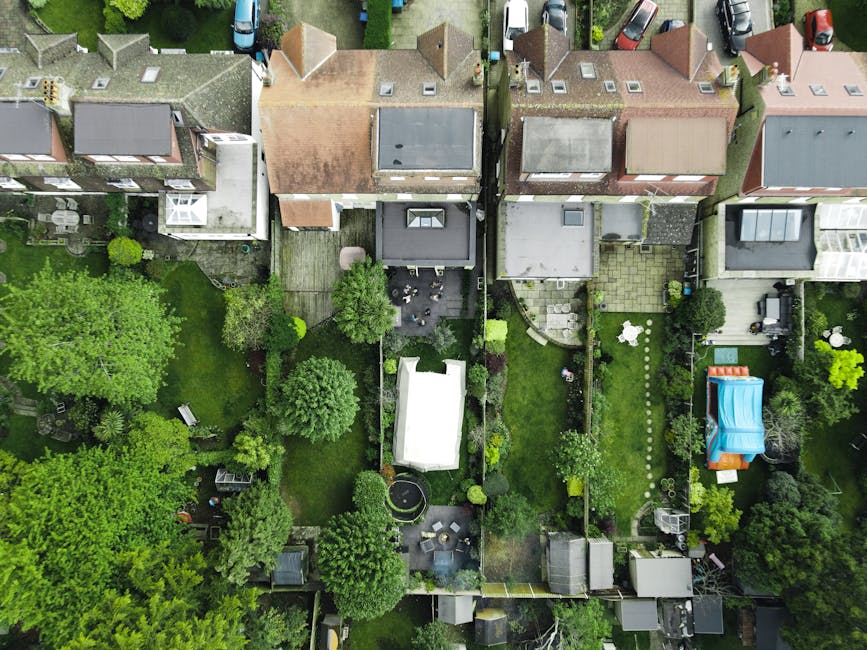
If you live in a terraced house in Selsdon or wider Croydon, your garden probably does a lot of heavy lifting. It might be a tiny strip, a long narrow run, a paved yard with a bit of planting, or that classic "almost a garden, almost an afterthought" space. Either way, it still matters. This Selsdon Croydon garden care guide for terraced homes is here to help you make the most of it without turning weekends into a second job.
Terraced gardens come with their own quirks: shade from neighbouring houses, limited access, awkward storage, and a layout that never quite feels generous. But with the right routine, a small space can look tidy, feel calm, and work hard through every season. Let's go step by step, with practical ideas you can actually use.
Table of Contents
- Why this kind of garden care matters
- How garden care works in terraced homes
- Key benefits and practical advantages
- Who this is for and when it makes sense
- Step-by-step guidance
- Expert tips for better results
- Common mistakes to avoid
- Tools, resources and recommendations
- Law, compliance, standards, or best practice
- Options, methods, or comparison table
- Case study or real-world example
- Practical checklist
- Conclusion
- Frequently asked questions
Why Selsdon Croydon garden care guide for terraced homes Matters
Terraced homes are often compact, close together, and a little exposed to the habits of nearby gardens. One neighbour's overgrown hedge can change the light in your back area. A damp corner can stay damp for weeks. A small lawn can go from neat to scruffy almost overnight if it is used by children, pets, or just everyday footfall.
That is why garden care for terraced homes is not just about appearance. It affects how usable the space feels, how easy it is to keep clean, and how much time you spend dealing with small problems before they become irritating ones. In Selsdon and Croydon, where many homes have modest plots and mixed sun patterns, a smart maintenance routine matters even more.
There is also the practical side. A tidy garden tends to be safer to move through, easier to drain, and less likely to become a dumping ground for old pots, broken furniture, or green waste. Truth be told, when a terraced garden slips, it slips fast. A few weeks of neglect and suddenly the whole space feels heavier.
Practical takeaway: with terraced gardens, consistency beats intensity. Small, regular jobs usually deliver better results than one big seasonal rescue.
If you want a broader view of what ongoing upkeep can cover, it helps to look at garden maintenance services as part of a regular plan rather than an emergency fix.
How Selsdon Croydon garden care guide for terraced homes Works
The basic idea is simple: work with the shape of the space rather than against it. Terraced gardens usually have one or more of these features:
- a narrow footprint
- limited side access
- screening from fences, walls, or extensions
- mixed surfaces such as paving, lawn, borders, or decking
- patchy light caused by neighbouring properties
Because of that, care usually follows a repeatable rhythm. You keep the structure tidy, control growth, manage drainage, and make the most of vertical or multi-use areas. The trick is not to chase perfection. It is to make the space easy to live with.
In a typical terraced garden, you might focus on five things:
- Cutting back overgrowth so paths, boundaries, and beds stay manageable.
- Keeping the lawn or groundcover in shape so the space feels maintained.
- Clearing leaves and debris before they build up and hold moisture.
- Checking trees, hedges, and climbers for safety and light levels.
- Refreshing planting or hard landscaping so the space stays usable, not just presentable.
That is the practical pattern. Nothing fancy. But done well, it transforms a cramped outdoor area into a little pocket that feels intentional. And yes, even if you only have enough room to turn a chair and a watering can, it still counts.
Key Benefits and Practical Advantages
Good garden care in terraced homes gives you far more than a tidy photo. It changes how the whole property feels day to day.
1. Better use of a small footprint
When every metre matters, clutter is expensive. A clear path, trimmed edges, and well-placed planting can make the same space feel bigger. This is one of those quiet wins people notice after the work is done, even if they could not quite explain why.
2. Easier cleaning and lower maintenance
Leaves, moss, mud, and fallen petals collect quickly in small gardens, especially where walls and fencing trap moisture. A regular sweep and trim keeps surfaces cleaner and reduces that constant "I'll sort it this weekend" feeling.
3. Improved light and airflow
In terrace settings, shade can be a real issue. Cutting back hedges, climbers, and dense shrubs improves light, which helps plants recover better and makes the area feel less enclosed.
4. Fewer nuisance problems
Overgrown plants can block drains, attract pests, or rub against fences and walls. A managed garden lowers the chances of those annoying little issues that always seem to appear at the worst time.
5. Better curb appeal and resale impression
A well-kept garden does not need to be large to be impressive. Buyers and visitors often respond to neatness, balance, and the sense that the outdoor space is cared for. That's just human nature, really.
If you are thinking beyond maintenance and into reshaping the space, options like landscape gardening or landscaping can help you turn a cramped layout into something more functional.
Who This Is For and When It Makes Sense
This guide is useful if you own or rent a terraced home and want the garden to feel manageable rather than overwhelming. It is especially relevant if:
- your garden is narrow, shaded, or awkwardly laid out
- you have a lawn that struggles in patchy light
- your hedges or climbers are starting to crowd the space
- you want a cleaner, safer area for children or pets
- you are trying to reduce weekend maintenance work
- you are preparing to sell, let, or simply reset the space
It also makes sense if you have inherited a garden that has gone a bit wild. We have all seen it: the rose bush that became a small tree, the paving you only remember existed because you can see one corner of it. Happens.
For landlords and busy households, a regular plan is often more realistic than one-off panic jobs. If the garden is used heavily or shared with neighbours at the rear, keeping it under control avoids friction and keeps access clear.
Step-by-Step Guidance
Below is a practical sequence you can follow whether you are maintaining the space yourself or working with a gardener.
Step 1: Walk the garden slowly
Start with a proper look. Not a quick glance. Check where leaves gather, where water sits, which plants are thriving, and which are only surviving out of stubbornness. Look at fences, paths, planters, gates, and any awkward corners.
Ask yourself three questions: What is blocking light? What is making the space feel messy? What is causing the most work?
Step 2: Clear the obvious clutter
Remove broken pots, dead plants, fallen branches, and any loose waste. In terraced gardens, clutter feels louder because the space is smaller. A clean reset gives you a better view of what actually needs attention.
If the space is heavily overgrown or full of debris, a proper garden clearance can save a lot of time and elbow grease.
Step 3: Sort the structure first
Before fussing over flowers, deal with the shape of the space. Trim hedges, edge borders, and define paths. Structure is what makes a garden feel calm. Without it, even nice planting can look lost.
This is usually the point where hedge trimming and boundary maintenance make a big difference, especially if neighbouring gardens lean into yours.
Step 4: Decide what stays and what goes
Terraced gardens are not the place to keep every plant you have ever liked. Harsh? Maybe. True? Absolutely. Keep the plants that suit your light, soil, and available time. Remove weak, overcrowded, or unattractive growth. You will not regret it later.
Step 5: Tackle the ground surface
If you have lawn, keep it light and regular. If you have paving, decking, or gravel, keep it clean and free from build-up. In small gardens, the ground surface takes up a lot of visual space, so its condition shapes the whole feel of the garden.
A weekly cut can help if you have turf, while decking needs occasional upkeep to stay safe and tidy. You can explore lawn mowing support or even decking services where the layout needs more than simple tidying.
Step 6: Improve drainage and airflow
In terraced gardens, damp patches often linger in shaded runs or low corners. Clear blocked grates if present, avoid piling soil against walls, and keep dense planting from sitting too tightly together. A little breathing room matters more than people think.
Step 7: Build a repeatable routine
Make it manageable. For many terraced homes, a light weekly tidy plus a monthly deeper check works better than a vague "I'll do it when I can" plan. That way the garden never gets too far away from you.
Expert Tips for Better Results
A few small habits can make a terraced garden feel much easier to live with.
- Trim little and often. A small prune now is better than a huge cut later.
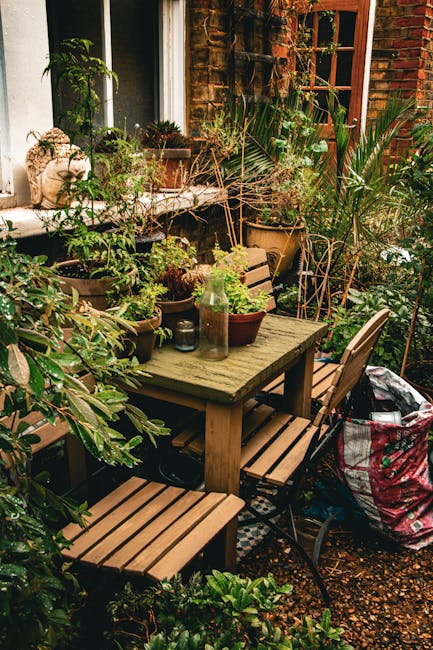
- Use vertical space. Trellises, wall planters, and climbing plants can soften hard edges without crowding the floor area.
- Choose plants for the light you actually have. Not the light you wish you had.
- Keep a simple storage plan. Tools left outside in a terrace garden quickly make the space feel smaller.
- Reduce lawn expectations. If turf struggles, consider whether a smaller lawn or mixed surface would work better.
- Refresh edges regularly. Crisp edges make even simple planting look intentional.
One thing we often find is that people try to do too much at once. They want the borders redesigned, the hedge cut, the paving scrubbed, the lawn revived, and the whole thing planted up before Sunday lunch. Admirable. Slightly unrealistic. Better to fix the structure first, then build from there.
If you want ongoing help rather than one-off intervention, a scheduled garden maintenance plan is often the sanest route.
Common Mistakes to Avoid
Terraced gardens are small enough that mistakes show quickly. The good news is that most of them are avoidable.
Leaving pruning too late
When hedges or climbers are left for too long, they become harder to control and can start shading out useful planting. Heavy cuts are sometimes necessary, but regular attention is kinder to the plant and easier for you.
Ignoring the boundaries
Fences, walls, and side returns often get neglected in terrace settings. Yet these are the features that make the space feel finished. Loose panels, cracked mortar, or rubbing branches should not be left to "sort themselves out". They rarely do.
Choosing plants that outgrow the space
Large shrubs can overpower a compact garden surprisingly fast. Go for controlled growth habits, not just attractive flowers. The prettiest plant in the nursery can become the boss of the garden by August.
Overcrowding the layout
Too many planters, ornaments, and furniture pieces can make a small garden feel cramped. Leave some breathing space. Negative space is not wasted space.
Forgetting waste disposal
Green waste piles up fast during a tidy-up. If you do not have a plan for clippings and debris, your "quick job" becomes a messy corner of half-finished bags. That is where a proper recycling-minded approach matters.
Skipping safety checks on trees
Any tree near a terrace, roofline, or boundary should be checked with care. If branches are leaning over structures or causing concern, tree lopping and removal may need professional attention.
Tools, Resources and Recommendations
You do not need an oversized kit to care for a terraced garden well. In fact, compact spaces usually work best with compact tools.
| Task | Useful tool or approach | Why it helps in a terraced garden |
|---|---|---|
| General tidy-up | Rake, broom, trug, gloves | Quickly clears leaves and debris without cluttering the space |
| Edging and shaping | Hand shears or lightweight trimmers | Gives definition in narrow borders and around paths |
| Lawn care | Small mower or scheduled mowing service | Keeps turf manageable in tight access areas |
| Overgrowth control | Bypass secateurs, loppers, hedge trimmers | Makes pruning safer and more precise |
| Clearing waste | Heavy-duty bags or a clearance plan | Stops cuttings from lingering around the garden |
| Layout improvement | Raised beds, wall planters, compact seating | Uses vertical space without crowding the ground |
For many homeowners, the biggest decision is whether to handle it yourself or bring in help. If the garden is manageable and you enjoy the work, DIY can be satisfying. If access is awkward, the growth is heavy, or time is tight, professional help is often worth it. No shame there at all.
For a fuller view of available support, it can help to browse the services overview and see how different jobs fit together.
Law, Compliance, Standards, or Best Practice
For most terraced gardens, the key concerns are less about formal legal hoops and more about responsible upkeep, safety, and neighbour awareness. Still, a few best-practice points are worth keeping in mind.
Boundary care: if hedges, trees, or shrubs cross property lines or affect adjoining gardens, handle them carefully and communicate early. In terrace settings, small misunderstandings can become annoying very quickly.
Safety: use secure ladders, appropriate cutting tools, and protective gear when working at height or near sharp material. If work looks unstable or awkward, stop and reassess. A slightly slower job is better than a rushed accident.
Waste handling: green waste should be stored and disposed of neatly. Wet cuttings, soil, and debris can create slips and mess if left around. If you value a tidy result, disposal matters as much as the cutting.
Insurance and professionalism: if you hire help, it is sensible to choose a provider that is clear about safety and insurance. That does not need to be complicated. It just needs to be transparent. Pages such as insurance and safety and health and safety policy are useful signs that a company takes those issues seriously.
Environmental care: composting, recycling, and responsible disposal are good practice where possible. In small gardens especially, the amount of material removed is manageable, so it is worth handling thoughtfully. You can also review recycling and sustainability information to see how waste and reuse are approached.
Options, Methods, or Comparison Table
Terraced home garden care usually falls into one of three broad approaches. None is "best" for everyone. It depends on time, budget, and how ambitious you want to be.
| Approach | Best for | Pros | Trade-offs |
|---|---|---|---|
| DIY upkeep | Hands-on homeowners with simple layouts | Flexible, low-cost, satisfying | Takes time and can be hard to keep consistent |
| Regular maintenance support | Busy households wanting a neat, steady standard | Predictable, less stress, fewer build-ups | Requires ongoing budget |
| Full redesign or landscaping | Gardens with poor flow, tired surfaces, or awkward layout | Can dramatically improve use and appearance | More planning, more cost, and a bigger decision |
If the issue is mainly tidiness, ongoing mowing, trimming, and clearance may be enough. If the garden feels structurally wrong, a redesign may solve problems that routine care will never quite fix. That distinction saves money. Quite a lot, sometimes.
Case Study or Real-World Example
Here is a realistic example from a typical terraced property in Croydon. The garden was narrow, mostly paved, with a small lawn at the far end and two overgrown shrubs taking up far too much room. The back area felt darker than it needed to be, and the owners said they avoided using it because it always looked half-finished.
The first pass focused on clearance and structure. Dead growth was removed, the shrubs were cut back sensibly, the lawn was edged, and the paving was swept and washed down. Nothing dramatic. Just basic discipline. But the difference was immediate: the space looked longer, lighter, and somehow calmer.
After that, the owners changed the layout slightly. They reduced the number of planters, added a compact seating area, and kept the planting scheme simpler. By the next visit, the garden was easier to maintain because it had fewer awkward corners and less visual clutter.
The point is not that every terrace garden needs a makeover. Far from it. The point is that small, careful changes often have a bigger effect than a full rework. Sometimes the garden just needs a clear plan and a bit of regular attention.
Practical Checklist
Use this checklist as a simple seasonal or monthly reset for a terraced home garden in Selsdon or Croydon.
- Clear leaves, twigs, and loose debris from paths and borders
- Check for blocked corners, damp patches, or poor drainage
- Trim hedges, climbers, and shrubs before they crowd the space
- Edge lawns and border lines for a cleaner finish
- Remove dead plants, broken pots, and unused items
- Inspect fences, walls, and gates for wear or movement
- Make sure tools and garden furniture are stored neatly
- Assess whether the planting still suits the available light
- Dispose of green waste responsibly
- Decide whether the garden needs maintenance, clearance, or redesign support
If you can keep to that rhythm, the garden will stay much easier to manage. Not flawless. Just comfortably under control. And honestly, that is usually the sweet spot.
Conclusion
A terraced home garden does not need to be large to be rewarding. It needs to be workable. That is the real goal. In Selsdon and across Croydon, the best results usually come from consistent upkeep, sensible plant choices, and a layout that respects the limits of the space instead of fighting them.
Whether you are dealing with a small lawn, a shaded patio, or an overgrown rear garden that has got away from you a bit, the same principle applies: keep it simple, keep it steady, and do the basics well. The space will start to feel different. Lighter. Easier. More yours.
Get a free quote today and see how much you can save.
If you want to learn more about the people behind the work, you can also visit about us or get in touch through the contact page when you are ready to talk through your garden's needs.
Frequently Asked Questions
What is the best way to care for a small terraced garden in Selsdon?
The best approach is regular light maintenance: clear debris, trim growth before it becomes unruly, keep paths and borders tidy, and choose plants that suit your light conditions. Small gardens respond well to consistency.
How often should a terraced garden be maintained?
For most homes, a light weekly tidy and a deeper monthly check works well. In spring and summer, you may need to mow, trim, or water more often depending on plant growth and weather.
Why do terraced gardens get messy so quickly?
They are usually compact, enclosed, and exposed to shade or damp in places. Because the space is small, even a little leaf fall, overgrowth, or clutter can make the whole area look neglected.
Can I keep a lawn in a narrow Croydon terrace garden?
Yes, but it helps to keep expectations realistic. A smaller lawn area with regular mowing is usually easier to manage than trying to maintain a large, patchy lawn in poor light.
What if my garden is mostly shaded?
Shade-tolerant plants, improved airflow, and careful pruning make a big difference. You may also want to reduce dense planting so the space feels brighter and less damp.
Is garden clearance different from regular maintenance?
Yes. Garden clearance is for larger jobs such as removing heavy overgrowth, debris, or accumulated waste. Maintenance is the ongoing work that keeps the garden in good shape after that.
Do terraced gardens need professional help?
Not always, but professional help is useful if access is awkward, the garden has become heavily overgrown, or you want a steady standard without doing the work yourself.
How do I make a small garden look bigger?
Use clear edges, reduce clutter, keep the layout simple, and make use of vertical space. Mirrors, tall planting, and well-placed seating can help too, but only if they do not crowd the area.
What should I do if hedges or trees affect my light?
Start with sensible pruning and assess whether the growth is becoming too large for the space. If branches are near structures or seem unsafe, professional tree work may be the better option.
Can decking work in a terraced home garden?
Yes, especially where you want a clean, usable surface that feels warmer and more sociable than paving. It is important to keep decking well maintained so it stays safe and presentable.
How do I know whether I need landscaping rather than simple upkeep?
If the layout feels fundamentally awkward, the surfaces are tired, or the space is hard to use no matter how tidy it is, a landscaping approach may be worth considering. If the structure is fine, maintenance may be enough.
What is the simplest first step if my garden has been neglected?
Start with a full clear-out of obvious debris and dead growth. Once the space is visible again, it becomes much easier to decide what to keep, what to cut back, and what needs more serious work.
A well-cared-for terrace garden has a quiet kind of charm. Nothing flashy. Just a space that works, feels calm, and makes coming home a little nicer at the end of the day.