Thornton Heath garden maintenance guides for local gardeners
If you garden in Thornton Heath, you already know the rhythm of it: one wet week, then a burst of growth, then the kind of dry spell that makes borders look tired overnight. Thornton Heath garden maintenance guides for local gardeners are really about working with that rhythm, not fighting it. This guide brings together the everyday jobs, seasonal priorities, and practical decisions that help local gardens stay tidy, healthy, and usable all year round.
Whether you tend a compact front garden, a back garden shared with family and pets, or a slightly unruly patch that has quietly become "tomorrow's job," the aim is the same: keep things manageable before small issues turn into expensive ones. You will find step-by-step advice, common mistakes, realistic tools to use, and a few local considerations that matter more than people think. To be fair, most garden problems are not dramatic. They are usually the slow, annoying ones.
For readers comparing maintenance support, it can help to look at the broader range of work available on a local garden maintenance page such as garden maintenance services, or to explore the wider services overview if your garden needs more than routine upkeep. If you are the hands-on type, though, this article is designed to help you make better decisions yourself.
Table of Contents
- Why Thornton Heath garden maintenance guides for local gardeners Matters
- How Thornton Heath garden maintenance guides for local gardeners Works
- Key Benefits and Practical Advantages
- Who This Is For and When It Makes Sense
- Step-by-Step Guidance
- Expert Tips for Better Results
- Common Mistakes to Avoid
- Tools, Resources and Recommendations
- Law, Compliance, Standards, or Best Practice
- Options, Methods, or Comparison Table
- Case Study or Real-World Example
- Practical Checklist
- Conclusion
- Frequently Asked Questions
Why Thornton Heath garden maintenance guides for local gardeners Matters
Garden maintenance in Thornton Heath matters because local conditions shape everything. London's weather can be kind one moment and a bit of a nuisance the next, and Thornton Heath gardens often deal with a mix of mature planting, smaller plots, shaded areas, boundary hedges, and hard surfaces that make weeds more noticeable. When maintenance slips, the garden does not just look less tidy; it becomes harder to enjoy and harder to recover.
A well-kept garden also makes a practical difference. Paths stay clearer. Lawns recover better. Plants get air and light. Drainage issues are easier to spot before puddles start hanging around like unwanted guests. And if you are growing vegetables, fruit, or pollinator-friendly planting, regular care makes all the difference between "doing okay" and genuinely thriving.
There is another side to this as well: maintenance is often what stops a garden from becoming a big, overwhelming project. A quick border weed, a scheduled hedge trim, and a sensible mowing routine can save you from a whole weekend of catch-up work later. That is the real value here. Not perfection. Just steadiness.
For local gardeners, maintenance guides are useful because they help you prioritise. In a small garden, every square metre matters. In a larger one, the challenge is time. Either way, a good routine keeps the work under control and helps you notice what the garden is telling you.
Expert summary: the best garden maintenance plans are simple, seasonal, and repeatable. If you can keep up with the basics, everything else becomes easier.
How Thornton Heath garden maintenance guides for local gardeners Works
Think of garden maintenance as a cycle rather than a one-off job. In Thornton Heath, that cycle usually follows the seasons, but it also follows the garden's own pace. A shaded patio, for example, may need more moss and weed control. A sunny border may need more watering and deadheading. A hedge by a boundary might need more frequent attention than the lawn itself.
A practical maintenance guide works by breaking the work into categories:
- Routine tasks: mowing, edging, weeding, deadheading, watering, and general tidying.
- Seasonal tasks: pruning, feeding, mulching, leaf clearance, and replanting.
- Structural tasks: hedge trimming, tree care, clearance, and fixing worn areas.
- Planning tasks: deciding what to keep, what to replace, and which areas need more attention.
The method is simple enough, but the judgement matters. For instance, a lawn that looks scruffy after rain may not need heavy work; it may just need a couple of dry days and a gentler cut. A border full of self-seeded weeds might not need a full overhaul either. Sometimes it just needs thinning out and a mulch. That sort of decision saves time and avoids unnecessary damage.
If the job grows beyond routine care, some gardeners look at support such as landscape gardening or broader landscaping for redesign, but maintenance is still the foundation. No planting scheme, however lovely, will stay lovely without follow-through.
Key Benefits and Practical Advantages
Good garden maintenance does more than keep things neat. The benefits are practical, financial, and frankly emotional too. A garden that is looked after feels easier to step into. You notice the good bits more. The air smells fresher after cutting back old growth. The whole space just works better.
- Healthier plants: regular pruning, feeding, and spacing reduce stress and disease pressure.
- Better curb appeal: tidy edging, clipped hedges, and a clean lawn instantly lift the look of a property.
- Lower long-term effort: little jobs done often are usually cheaper and less exhausting than occasional big clear-ups.
- Safer outdoor space: fewer trip hazards, better visibility, and less overgrowth around paths and steps.
- More usable space: you can sit, grow, play, or store things without wrestling with the garden first.
- Better seasonal resilience: gardens that are maintained cope better with heat, wet spells, and heavy growth.
There is also a subtle but real advantage in timing. If you keep on top of maintenance, you get to choose when work happens. If you leave it too long, the garden chooses for you. And it often chooses a wet Saturday, naturally.
For gardens with regular mowing and edging needs, a dedicated lawn mowing routine can be one of the simplest ways to keep the whole space under control. For boundary growth, hedge trimming often makes the biggest visual difference with surprisingly little effort when done consistently.
Who This Is For and When It Makes Sense
This kind of maintenance guidance suits a wide mix of local gardeners. Some people love being outside and want a better structure for the work. Others just want the garden to stop demanding all their free time. Both are fair reasons.
It makes sense if you:
- own a house with a front or back garden in Thornton Heath
- rent a property and want to keep the outdoor space manageable
- manage a small courtyard, shared garden, or narrow side return
- care for a mature garden that has become overgrown
- want to improve kerb appeal before selling or letting a property
- need seasonal support for planting, pruning, or waste clearance
It also helps if you are at a decision point. Maybe you are wondering whether to keep doing everything yourself or bring in help for the heavier jobs. Maybe you can manage mowing but not hedge cutting. Maybe the tree line has gotten a bit too ambitious. That is normal. Most people do not need full-scale intervention all the time. They just need the right help at the right moment.
If your garden is full of cuttings, old compost bags, broken pots, or leaf build-up, a one-off garden clearance can reset the space before a maintenance plan starts to work properly. There is no shame in starting with the mess. That is usually the honest way in.
Step-by-Step Guidance
Here is a sensible way to approach garden maintenance in Thornton Heath without making it into a huge project. Start small, stay consistent, and build a routine you can actually stick to. Simple as that, though not always easy.
1. Walk the garden slowly
Before you touch anything, take a slow walk around the garden. Look for weeds, dead growth, overhanging branches, dull patches in the lawn, blocked drains, broken edging, and plant stress. It sounds basic because it is basic. But many maintenance mistakes start with rushing in and cutting the wrong thing first.
2. Divide the space into zones
Split the garden into manageable sections: lawn, borders, patio, hedges, trees, and storage areas. This helps you focus and stop one area from stealing all your attention. A patio full of leaves can be ignored until it becomes slippery; a lawn with weeds cannot.
3. Tackle safety first
Remove obvious hazards before anything else. That means loose pots, sharp broken items, unstable branches, and slippery debris. If you are dealing with height, power tools, or awkward access, pause and decide whether the job is really one for you. No hero points for wobbling on a ladder.
4. Cut back what is blocking growth
Trim overgrowth that shades smaller plants or crowds paths. Hedges and shrubs should be cut in a way that suits the plant, not just the shape you fancy on the day. A little restraint goes a long way. You can always take more off later; putting it back is trickier.
5. Weed, edge, and clear
Weeds are easiest to deal with when they are small. Pull them before they set seed if possible. Refresh the edges along paths and beds, then clear away the debris so the garden looks clean rather than merely cut. That final tidy-up matters more than people think.
6. Feed, mulch, and water appropriately
After the heavy work, support the plants. A mulch layer helps retain moisture and suppress weeds. Feeding should be based on the plant type and the time of year, not just on optimism. And watering should be deep and sensible rather than constant and shallow. Plants prefer a proper soak to a daily drizzle.
7. Set the next visit before you forget
This is where most gardens drift. Decide now what needs doing next week, next month, and next season. If you leave it to memory, life will interrupt. Always does.
Expert Tips for Better Results
A few small habits can lift your results noticeably. They are not glamorous. They just work.
Tip 1: Cut less, more often. This is especially true for lawns and hedges. Light, regular maintenance is gentler on plants and easier on you. The garden tends to look better too, which is a pleasant side effect.
Tip 2: Keep tools sharp and clean. Blunt blades tear growth rather than cutting it cleanly. Dirty tools can spread problems from one plant to another. Wipe them down after use, and sharpen where needed.
Tip 3: Watch the weather window. In Thornton Heath, timing matters. A dry morning can be ideal for mowing or trimming, while a wet day can turn a simple task into a muddy chore. If you can choose your moment, do.
Tip 4: Match the task to the season. Spring is for shaping and recovery. Summer is for keeping up. Autumn is for clearing and preparing. Winter is for planning, pruning the right plants, and not doing too much when the soil is too wet or frozen.
Tip 5: Don't over-manicure everything. Some wildlife-friendly areas are worth keeping a little looser. A healthy garden is not always a perfect one. Let's face it, nature does not care much for neat lines.
If you are working on visual structure as well as upkeep, consider how hard surfaces, levels, and boundaries interact with planting. Sometimes the difference between "scruffy" and "finished" is not another plant. It is a sharper edge or a cleaner line.
Where a garden has a lot of leaf litter or poor drainage, regular clearing and responsible disposal are especially helpful. Keeping on top of waste makes the rest of the work easier, and if you ever need support, a dedicated local approach to recycling and sustainability can help guide how green waste is handled with less fuss.
Common Mistakes to Avoid
Most garden maintenance problems come from a handful of easy-to-make mistakes. Nothing exotic. Just everyday habits that snowball.
- Doing too much at once: big weekend clear-ups sound efficient, but they often leave plants stressed and the gardener exhausted.
- Ignoring small weeds: one or two become twenty. Then a hundred. You know the story.
- Cutting hedges at the wrong time: this can spoil shape, reduce flowering, or disturb nesting birds.
- Leaving clippings in place: some can be mulched, but too much debris can smother growth or make things look untidy.
- Overwatering: wet soil for the sake of it is not care. It can create shallow roots and encourage issues.
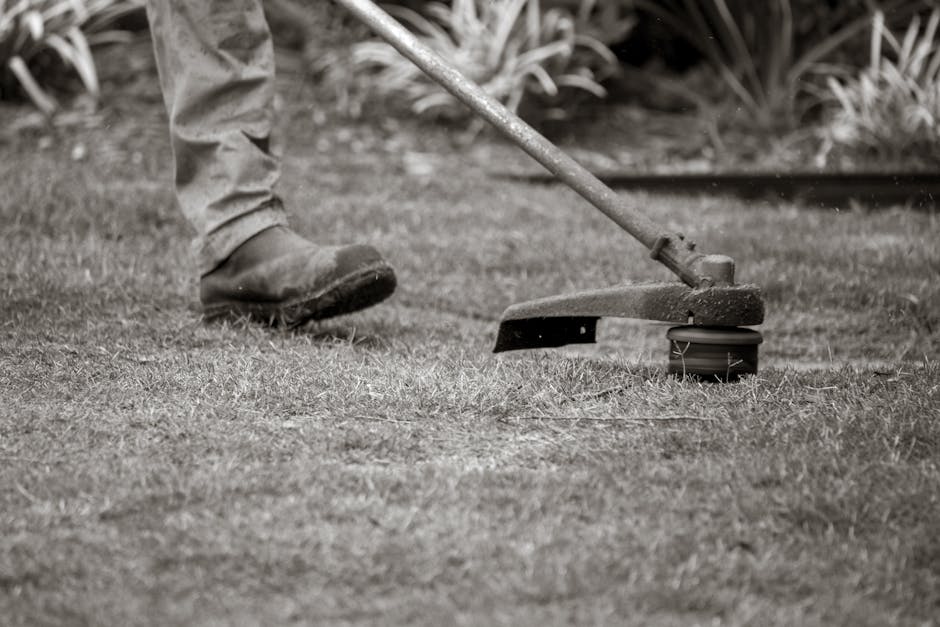
- Using the wrong tool: a strimmer is not always the answer, and a heavy saw is not always necessary either.
- Forgetting access and waste routes: if you cannot remove what you cut, the garden can look worse before it looks better.
A lot of these mistakes come from trying to make the garden look "finished" in one go. But gardens are living spaces, not flat-pack furniture. They change. They grow. They misbehave a bit. The goal is control, not control freakery.
Tools, Resources and Recommendations
You do not need a shed full of expensive kit to maintain a garden properly. In fact, too much kit can be a burden. A focused set of tools is usually better.
| Tool or resource | Best use | Why it helps |
|---|---|---|
| Hand trowel and hand fork | Weeding, planting, border work | Useful for precise jobs in tight spaces |
| Secateurs | Small pruning and deadheading | Clean cuts reduce plant damage |
| Shears or hedge trimmer | Hedges and shrubs | Keeps growth even and manageable |
| Lawn mower | Routine lawn care | Prevents the lawn becoming rough and patchy |
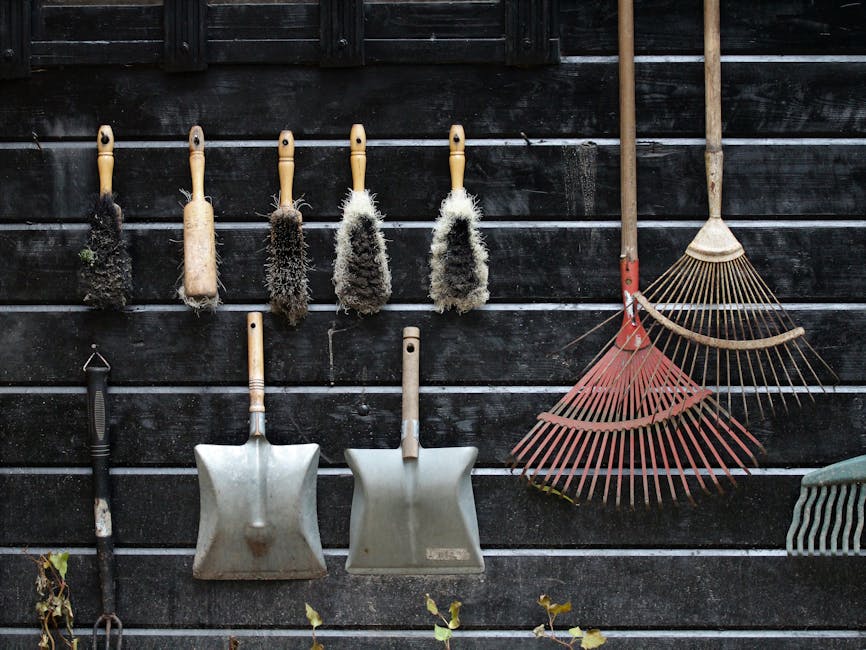
| Rake | Leaf collection and surface tidying | Quick way to clear debris without disturbing beds too much |
| Wheelbarrow or garden bags | Waste moving | Makes clearance faster and tidier |
| Gloves and eye protection | General safety | Protects against scratches, dust, and flying debris |
For larger or more demanding jobs, professional help can be useful, especially if the garden has become cluttered or inaccessible. A local team may combine maintenance with tree work, hedge reduction, or waste removal. If you need that kind of support, tree lopping and removal and insurance and safety are worth understanding before you book anyone in.
There are also practical service details worth checking in advance. Clear communication about timing, waste handling, and access helps avoid awkward surprises. It is also sensible to review pricing and quotes so you know what is included, especially if the garden needs both routine maintenance and a reset.
Law, Compliance, Standards, or Best Practice
Garden maintenance is mostly practical work, but a few legal and best-practice points matter in the UK. This is not about overcomplicating things. It is about avoiding avoidable problems.
Tree and hedge work: if branches overhang boundaries, block light, or affect access, check carefully before cutting. Trees can carry preservation or ownership considerations, and bird nesting season is an important practical consideration when pruning. If in doubt, slow down and assess properly.
Noise and timing: power tools can be disruptive. Being considerate about when you use them is simply good neighbourly practice, and in many residential streets it makes a real difference to how smoothly things go.
Waste disposal: green waste should be handled responsibly. Burning garden waste is not always appropriate and can create smoke nuisance. Safer disposal and recycling habits are better for everyone, and they keep the garden tidier too.
Safety: if a task involves ladders, power equipment, large branches, or unstable ground, the correct approach is the safe one. Not the bravest one. That means using proper equipment, checking conditions, and choosing professional support when the job is beyond your comfort level.
Neighbour awareness: if your work affects shared boundaries, access routes, or communal areas, a bit of communication goes a long way. A quick word before cutting back a hedge can prevent needless friction later.
Good practice is often just common sense carried through consistently. That said, common sense is not always common on a busy Saturday morning.
Options, Methods, or Comparison Table
Gardeners in Thornton Heath usually choose between three broad approaches: doing everything themselves, handling routine jobs and outsourcing the difficult ones, or booking regular professional maintenance. Each has its place.
| Approach | Best for | Pros | Trade-offs |
|---|---|---|---|
| DIY maintenance | Hands-on gardeners with time and basic tools | Low direct cost, full control, flexible timing | Can become overwhelming, requires time and effort |
| Hybrid approach | Busy households and mixed-size gardens | Good balance of cost and convenience, focuses help where needed | Needs clear planning and occasional coordination |
| Regular professional maintenance | Large, complex, or high-demand gardens | Consistent results, less stress, better for heavy or technical jobs | Higher ongoing cost, less personal control over timing |
For many local gardens, the hybrid route is the sweet spot. You mow, weed, and water regularly, then bring in help for hedges, clearance, or larger pruning jobs. That way the garden stays manageable without swallowing your weekends whole.
If you are considering broader changes alongside maintenance, you might also compare routine upkeep with more structural improvements such as decking services. Sometimes the right answer is not more maintenance; it is a smarter layout that reduces future work.
Case Study or Real-World Example
Here is a realistic local example. A Thornton Heath homeowner had a small back garden that looked fine from the kitchen window but felt awkward to use. The lawn had become patchy, the hedge had spread a bit too far, and the borders were full of self-seeded growth. Nothing catastrophic, just neglected enough to feel like a job with attitude.
The first step was not fancy. It was a full walk-through, removing obvious waste, trimming the hedge back to a sensible line, and clearing the borders so the actual plants could be seen again. After that came a careful mow, edging, and a mulch to help suppress weeds. Some plants were kept, some were cut back, and a few tired pieces were removed entirely.
The biggest change was not dramatic planting. It was space. Once the garden stopped fighting itself, the whole place felt usable again. The owners could sit out with tea on a mild evening, and the garden no longer needed an hour of apology before company arrived. Little details count. A straight edge, cleaner access, and healthy plants can change how a space feels more than people expect.
That is the point of good maintenance. It does not need to be a transformation show. Often it is just a steady reset, then a better routine. Quietly powerful, really.
Practical Checklist
Use this checklist as a simple maintenance reset for a Thornton Heath garden. You do not need to do everything at once, and you certainly do not need to do it perfectly.
- Walk the whole garden and note problem areas
- Clear obvious litter, broken pots, and loose debris
- Weed beds, paths, and patio joints
- Trim hedges and shrubs only where needed
- Mow the lawn and tidy the edges
- Deadhead spent flowers and remove dead growth
- Check for drainage issues or standing water
- Mulch exposed beds if appropriate
- Water plants deeply when conditions require it
- Inspect fences, pots, and structures for damage
- Bag or stack green waste for responsible disposal
- Set a date for the next maintenance session
Quick reality check: if the list feels long, that usually means the garden needs a reset, not that you are behind in life. Gardens pile up quietly. It happens to almost everyone.
Conclusion
Thornton Heath garden maintenance guides for local gardeners are most useful when they help you make steady, practical choices. Keep the routine simple. Focus on the highest-impact jobs first. Let the season guide the work. And do not wait until the garden looks dramatic before taking action, because by then it has already asked for more attention than it needed to.
The best gardens are usually maintained by small, regular efforts, not heroic marathons. A tidy hedge, a well-kept lawn, a clear border, and a sensible waste plan can do a lot more than a once-a-year overhaul. If you stay ahead of the basics, the whole space feels lighter and easier to enjoy. That is the real win.
If you want help planning the work, comparing service options, or understanding what kind of upkeep your garden actually needs, it can be sensible to review the wider local service pages and then decide where your own time is best spent. Sometimes a little outside support saves a lot of weekend stress.
Get a free quote today and see how much you can save.
And if you are standing in the garden right now, looking at one stubborn corner and thinking, "Right, then," that is already a good start.
Frequently Asked Questions
How often should I maintain a garden in Thornton Heath?
Most gardens benefit from light maintenance every week or two during the growing season, with bigger seasonal jobs spaced through the year. Lawns, weeds, and hedges usually need the most consistent attention.
What is the most important job in regular garden maintenance?
It depends on the garden, but for many local plots it is weed control combined with mowing and edging. Those three jobs quickly influence how tidy and healthy the whole space feels.
Is it better to do garden maintenance myself or hire help?
If you enjoy the work and have the time, DIY can work well for routine tasks. If the garden is large, overgrown, or includes high hedges and trees, a hybrid approach is often the most practical.
When is the best time of year for pruning and trimming?
That depends on the plant species and the job at hand. As a general rule, major pruning is usually best planned around the plant's growth cycle, while hedge trims and light shaping are often done more regularly.
What should I do with garden waste after a clear-up?
Green waste should be bagged, composted, reused where appropriate, or removed responsibly. If you have a large amount, a planned clearance is usually easier than trying to manage it in small bags over several days.
Can garden maintenance improve property value or kerb appeal?
It can improve first impressions and make a property feel better cared for. While the exact effect varies, tidy gardens generally help buyers and visitors feel more positive about the space.
How do I keep weeds under control without constant effort?
Stay ahead of them early, mulch bare soil, and remove weeds before they seed. A little regular attention is far easier than waiting for a full takeover.
Do I need different maintenance in shady parts of the garden?
Yes. Shady areas often stay damp longer, which can encourage moss, slugs, and softer growth. They may need less direct watering but more leaf clearing, airflow, and careful plant selection.
What are the signs my garden needs professional help?
If the hedge is too large to manage safely, the lawn has become difficult to recover, waste is building up, or you simply do not have time to keep up, professional support can be the sensible next step.
How can I make garden maintenance cheaper in the long run?
Regular small jobs cost less in time and materials than emergency overhauls. Choosing low-maintenance planting, keeping paths clear, and staying on top of hedges and weeds all help reduce long-term effort.
Are there safety concerns I should think about before garden work?
Yes. Ladders, sharp tools, uneven ground, heavy branches, and hidden debris all create risk. Wear suitable protection, use the right equipment, and do not push through a job that feels unsafe.
What if my garden feels too overgrown to start?
Start with one corner or one task, not the whole space. Remove waste first, then clear the worst overgrowth, and build from there. A garden rarely needs to be fixed in one dramatic session; it usually needs a calm first step.